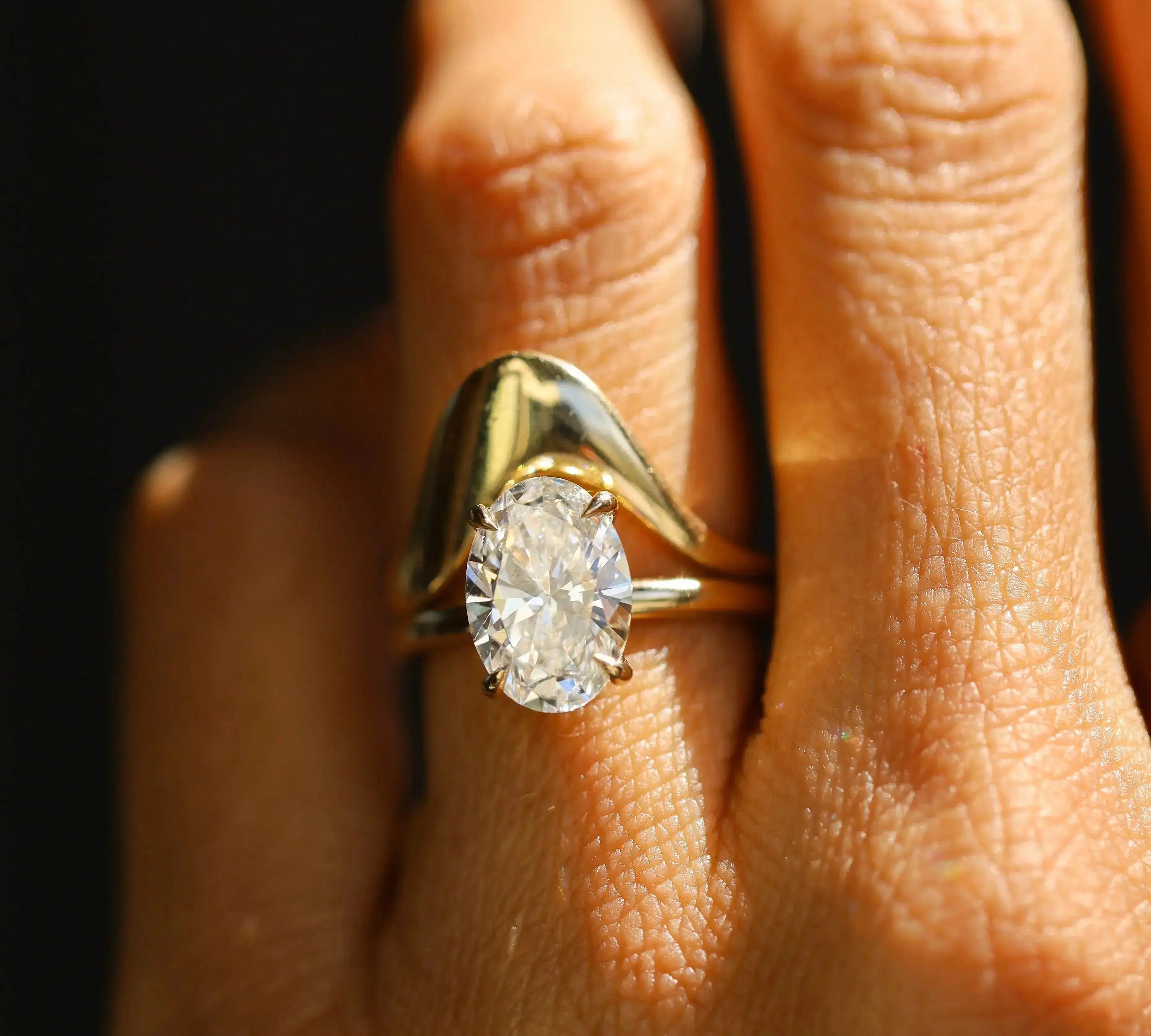
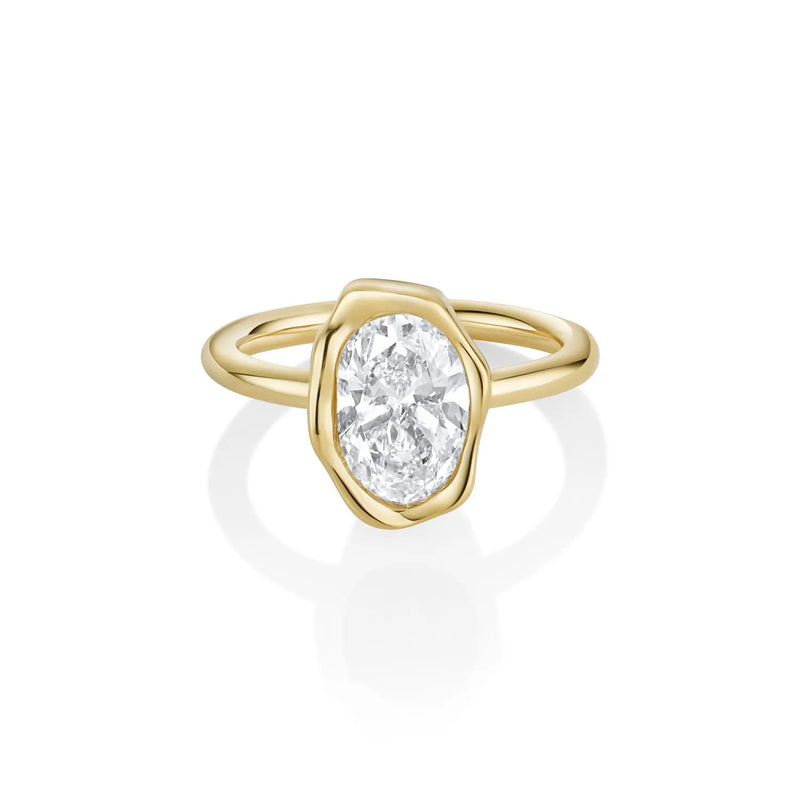
![The Abstract Bezel Oval Engagement Ring – oval diamond in an organic bezel, 14k yellow gold, by Marrow Fine [Yellow Gold]](http://www.marrowfine.com/cdn/shop/files/AbstractBezelOvalEngagementRingNew_YG.jpg?crop=center&height=1500&v=1782763104&width=1500)

![Mini Lisse Tennis Bracelet – dainty bezel-set diamond tennis bracelet in 14k yellow gold, by Marrow Fine [Yellow Gold]](http://www.marrowfine.com/cdn/shop/files/MiniLisseTennisBracelet_YG.jpg?crop=center&height=1500&v=1767037236&width=1500)

![White Diamond Lucy Wave Band – arched contour band with graduated diamonds in 14k yellow gold, by Marrow Fine [Yellow Gold]](http://www.marrowfine.com/cdn/shop/files/WhiteDiamondLucyWaveBand_YG.jpg?crop=center&height=1500&v=1785861876&width=1500)


![Everyday Dome Ring – high-polish domed band in 14k yellow gold, by Marrow Fine [Yellow Gold]](http://www.marrowfine.com/cdn/shop/files/Everyday_Dome_Ring_YG.jpg?crop=center&height=240&v=1751935188&width=240)
Your love is one of one. Your engagement ring should be, too.
Made To Order Engagement Rings
![The Abstract Bezel Oval Engagement Ring – oval diamond in an organic bezel, 14k yellow gold, by Marrow Fine [Yellow Gold]](http://www.marrowfine.com/cdn/shop/files/AbstractBezelOvalEngagementRingNew_YG.jpg?crop=center&height=1350&v=1782763104&width=1500)

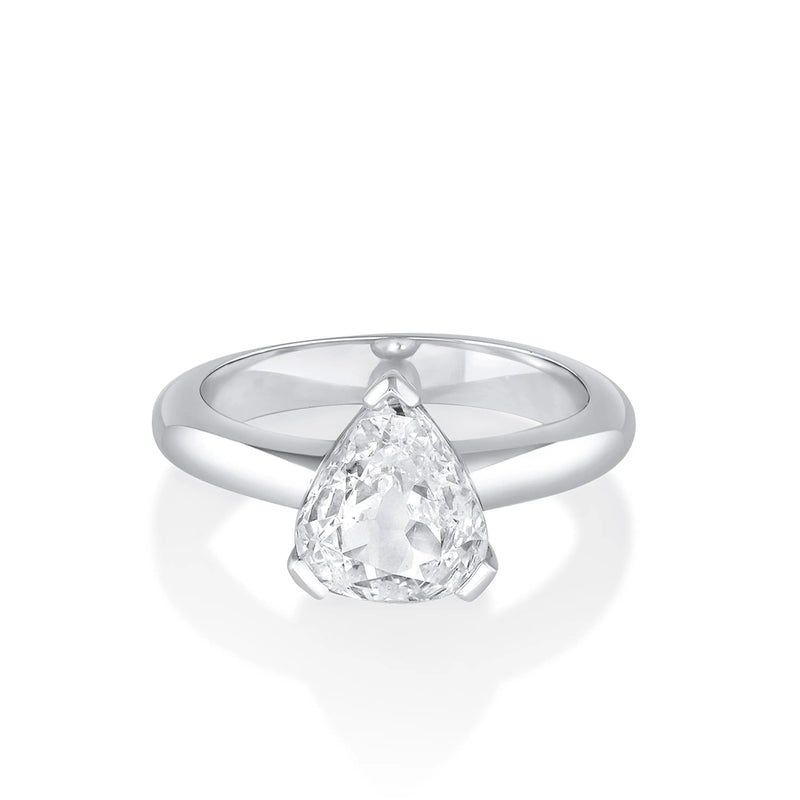
![The Paloma Tilted Pear Engagement Ring – tilted pear diamond in a 14k yellow gold bezel, by Marrow Fine [Yellow Gold]](http://www.marrowfine.com/cdn/shop/files/PalomaTiltedPearEngagementRing_YG.jpg?crop=center&height=1350&v=1782835740&width=1500)

![The Stevie Bezel Cushion Engagement Ring – bezel-set elongated cushion diamond in 14k yellow gold, by Marrow Fine [yellow gold]](http://www.marrowfine.com/cdn/shop/files/StevieEngagementRing_YG.jpg?crop=center&height=1350&v=1782835725&width=1500)

![The Peyton Two-Tone Cushion Engagement Ring – cushion diamond in white gold claws on a 14k yellow gold band, by Marrow Fine [Yellow Gold]](http://www.marrowfine.com/cdn/shop/files/PeytonEngagementRing_YG.jpg?crop=center&height=1350&v=1782836636&width=1500)

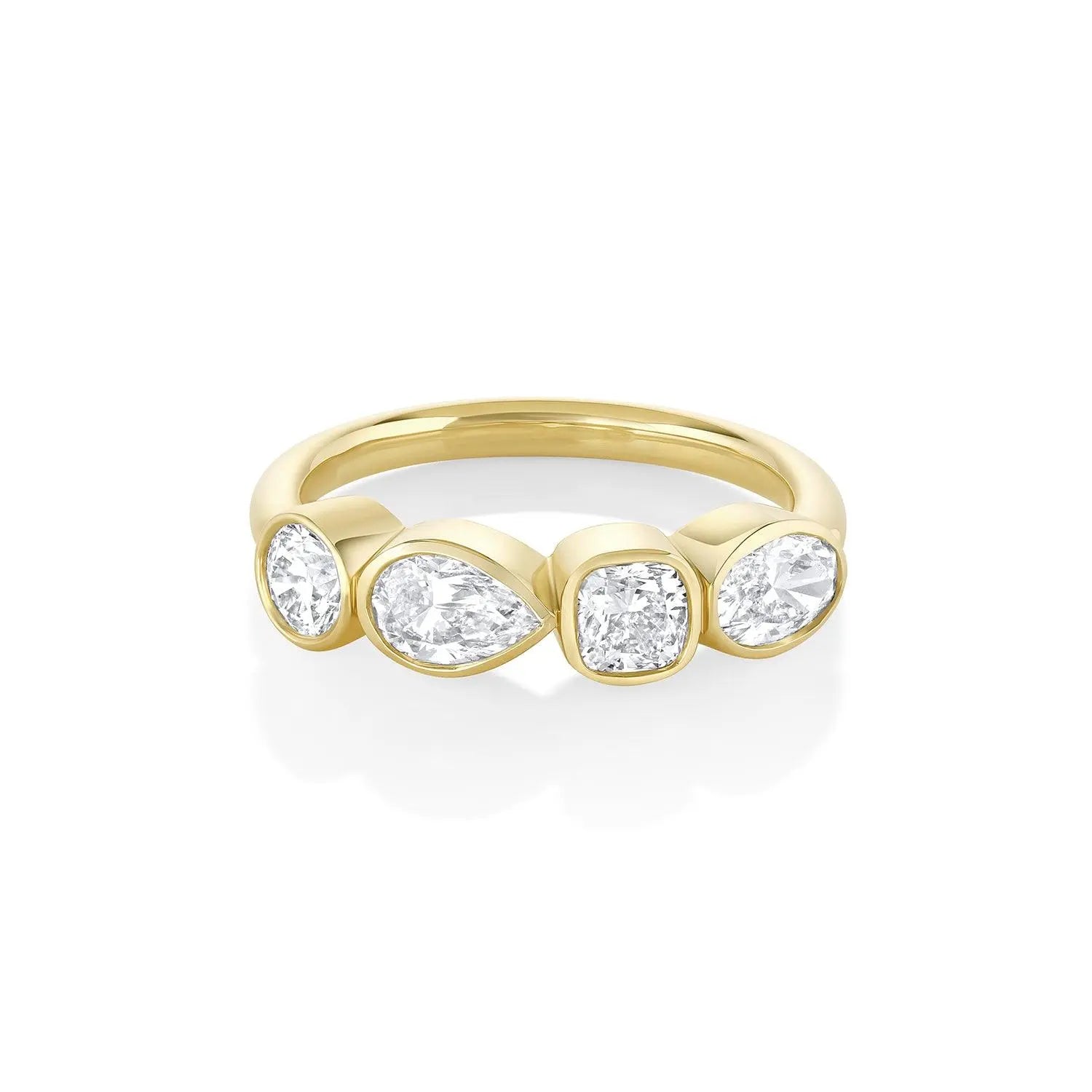
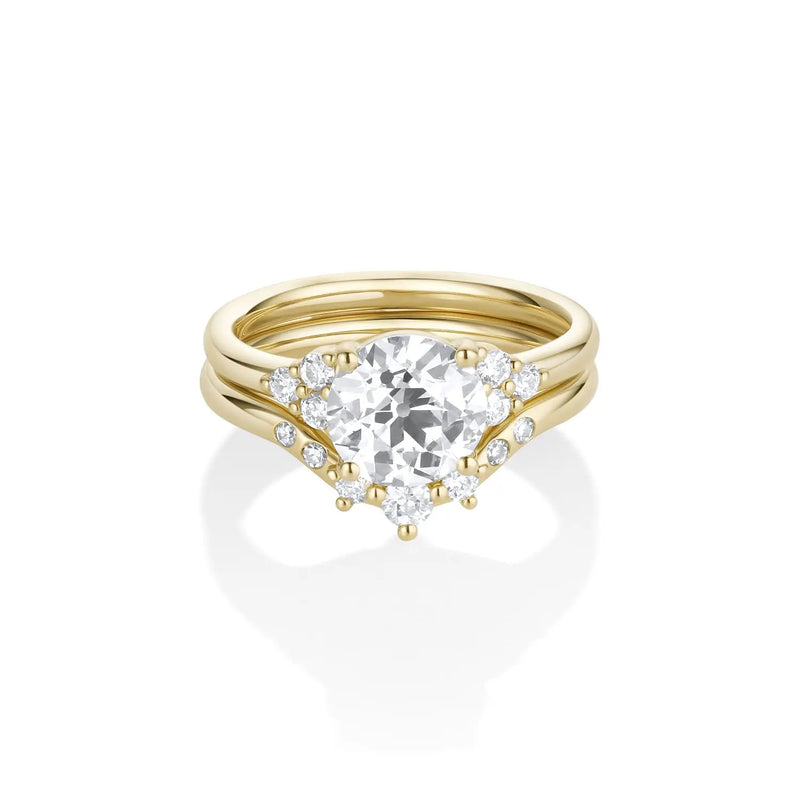
![The Astrid Open Bombe Engagement Ring – round diamond with pear side stones in 14k yellow gold, by Marrow Fine [Yellow Gold]](http://www.marrowfine.com/cdn/shop/files/AstridOpenBombeEngagementRing_YG_2.50ctLCDOldEuro.jpg?crop=center&height=1350&v=1782836774&width=1500)

![Margot Pear Wave Ring – 1ct pear diamond wave engagement ring in 14k yellow gold, by Marrow Fine [Yellow Gold]](http://www.marrowfine.com/cdn/shop/files/MargotPearWaveRing_YG.jpg?crop=center&height=1350&v=1782836831&width=1500)

![Mila Cushion Wave Ring – 1ct cushion diamond wave engagement ring in 14k yellow gold, by Marrow Fine [Yellow Gold]](http://www.marrowfine.com/cdn/shop/files/MilaCushionWaveRing_YG.jpg?crop=center&height=1350&v=1782836930&width=1500)

![Margot Pear Wave Ring + Mila Cushion Wave Ring stack in yellow gold [Yellow Gold]](http://www.marrowfine.com/cdn/shop/files/MargotPearWaveRing_MilaCushionWaveRingStack.jpg?crop=center&height=1350&v=1782837006&width=1500)
![Mila & Margot Wave Ring Set in 14k white gold – cushion and pear diamonds [White Gold]](http://www.marrowfine.com/cdn/shop/files/MargotPearWaveRing_MilaWaveRingStack_WG_084aa4a9-d7b0-4667-a7d2-89963ae89fcc.jpg?crop=center&height=1350&v=1782837022&width=1500)
![Mila & Margot Wave Ring Set in 14k rose gold – cushion and pear diamonds [Rose Gold]](http://www.marrowfine.com/cdn/shop/files/MargotPearWaveRing_MilaWaveRingStack_RG_c7123960-4089-418c-a054-a2203a46beb5.jpg?crop=center&height=1350&v=1782837020&width=1500)

![The Arlo Cigar Band Engagement Ring – bezel-set round diamond in a wide 14k yellow gold cigar band, by Marrow Fine [Yellow Gold]](http://www.marrowfine.com/cdn/shop/files/ArloEngagementRing_YG.jpg?crop=center&height=1350&v=1782836710&width=1500)

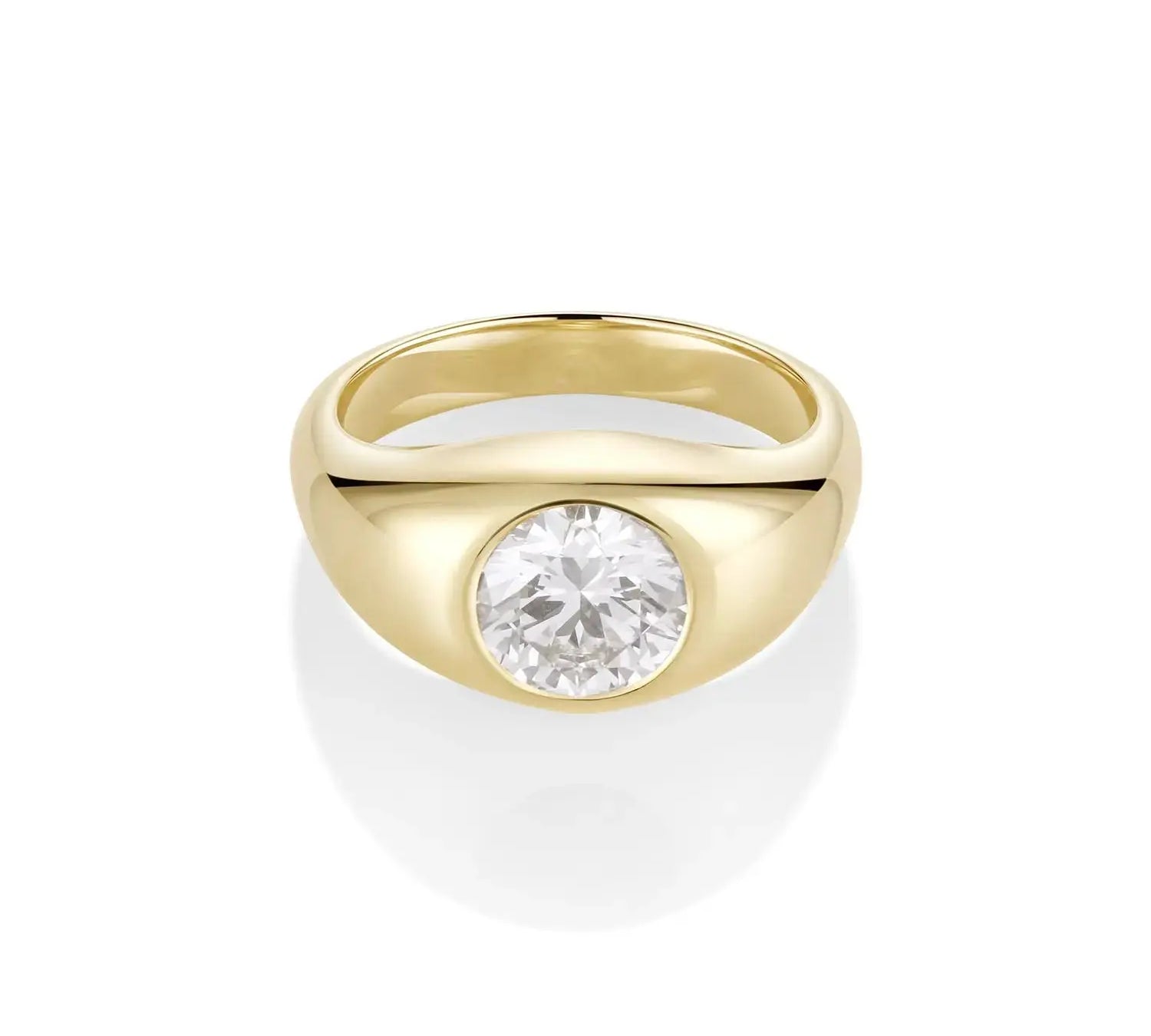

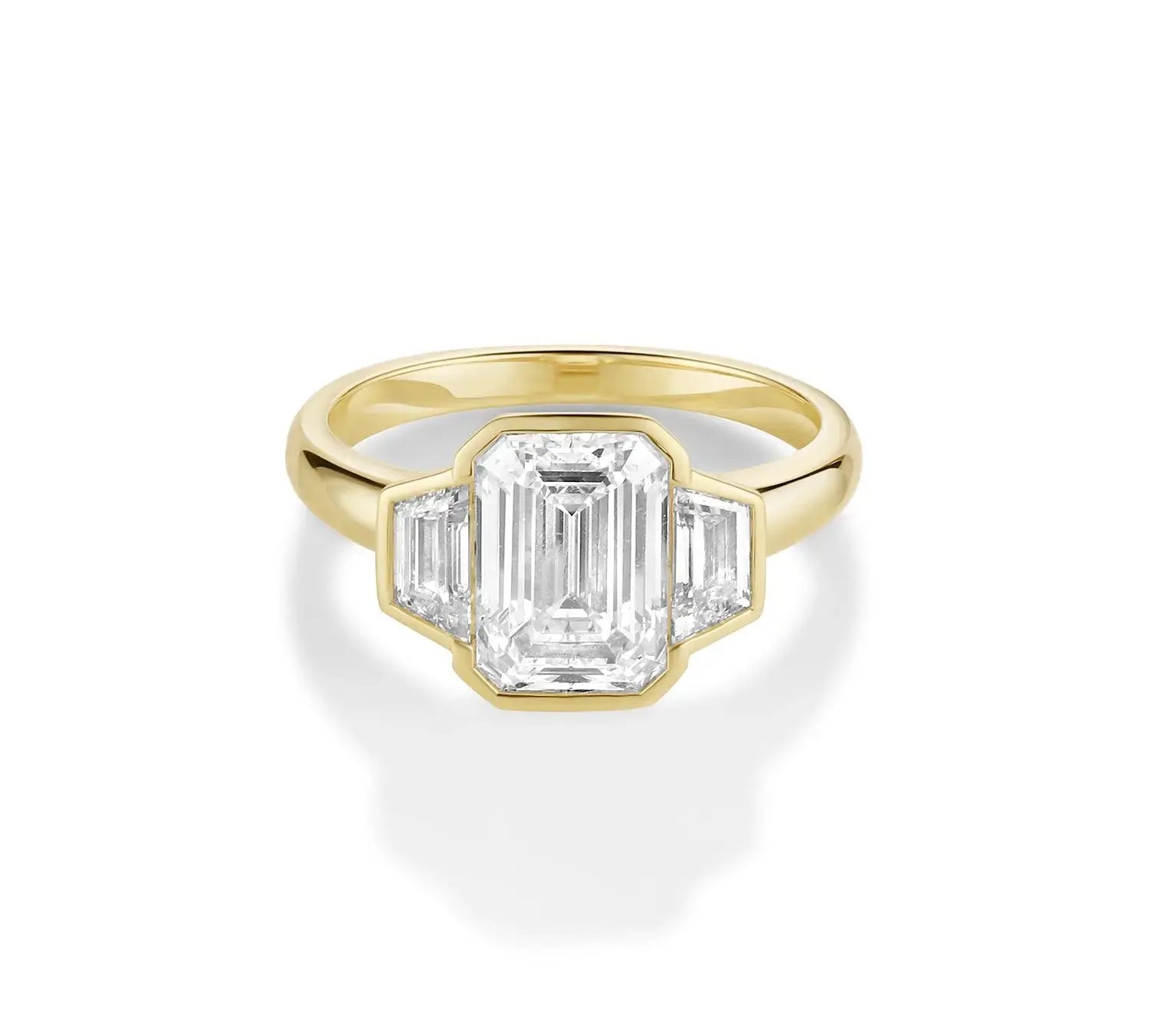
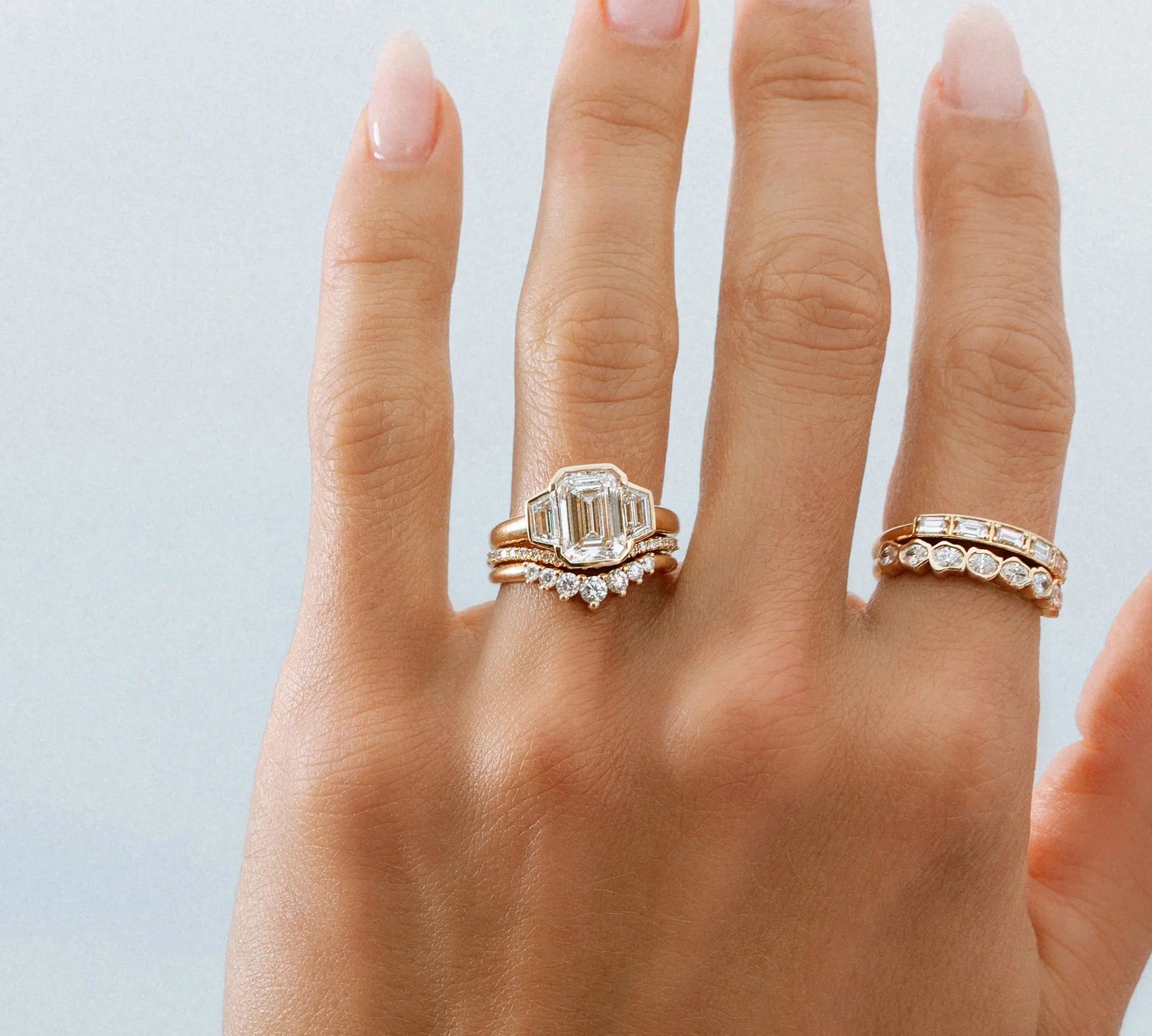
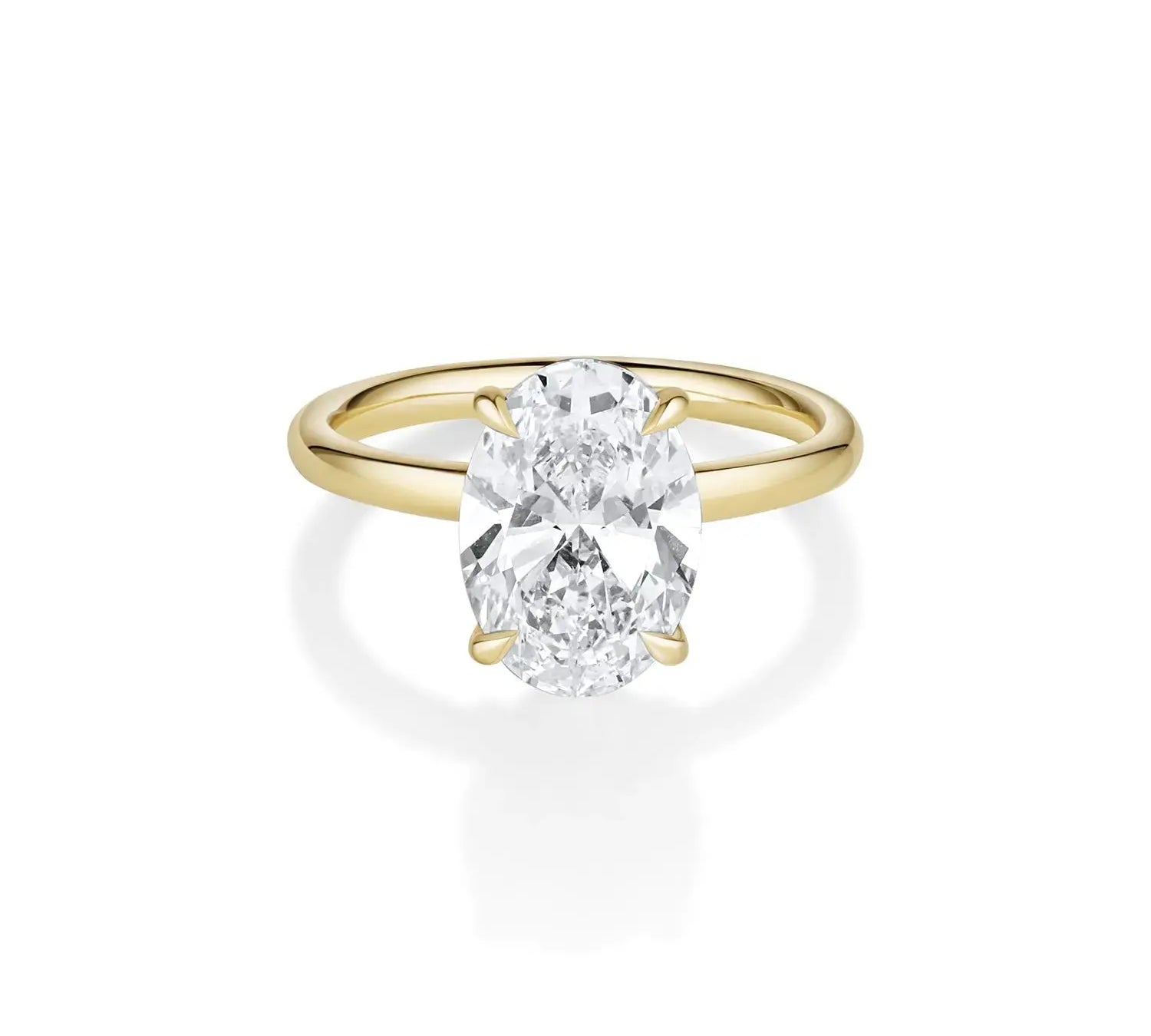


![The Georgia Solitaire Engagement Ring – elongated cushion diamond in a Georgian-inspired 14k yellow gold bezel, by Marrow Fine [Yellow Gold]](http://www.marrowfine.com/cdn/shop/files/1.09ct_Georgia_Ring_0826_005.jpg?crop=center&height=1350&v=1788215381&width=1500)

![The Sloane Pear Solitaire Engagement Ring – pear diamond solitaire in 14k yellow gold, by Marrow Fine [Yellow Gold]](http://www.marrowfine.com/cdn/shop/files/3.01ct_Sloane_Engagement_Ring_0826_009.jpg?crop=center&height=1350&v=1788214573&width=1500)

![The Maeve Marquise Engagement Ring – marquise diamond solitaire in 14k yellow gold, by Marrow Fine [Yellow Gold]](http://www.marrowfine.com/cdn/shop/files/MaeveMarquiseEngagementRing_YG.jpg?crop=center&height=1350&v=1785858071&width=1500)

![The Colette Marquise Split Shank Engagement Ring – bezel-set marquise diamond, 14k yellow gold, by Marrow Fine [Yellow Gold]](http://www.marrowfine.com/cdn/shop/products/ColetteMarquiseSplitShankEngagementRingMarrowFine_0000s_0001_MF-1021-031.jpg?crop=center&height=2700&v=1754324510&width=3000)

![The Hazel Oval Solitaire Engagement Ring – oval diamond solitaire in 14k yellow gold, by Marrow Fine [Yellow Gold]](http://www.marrowfine.com/cdn/shop/files/HazelOvalEngagementRing_YG.jpg?crop=center&height=1350&v=1785857946&width=1500)

![The Elspeth Three Stone Engagement Ring – round diamond with side stones in 14k yellow gold, by Marrow Fine [Yellow Gold]](http://www.marrowfine.com/cdn/shop/files/ElspethThreeStoneEngagementRing_YG.jpg?crop=center&height=1350&v=1785861539&width=1500)

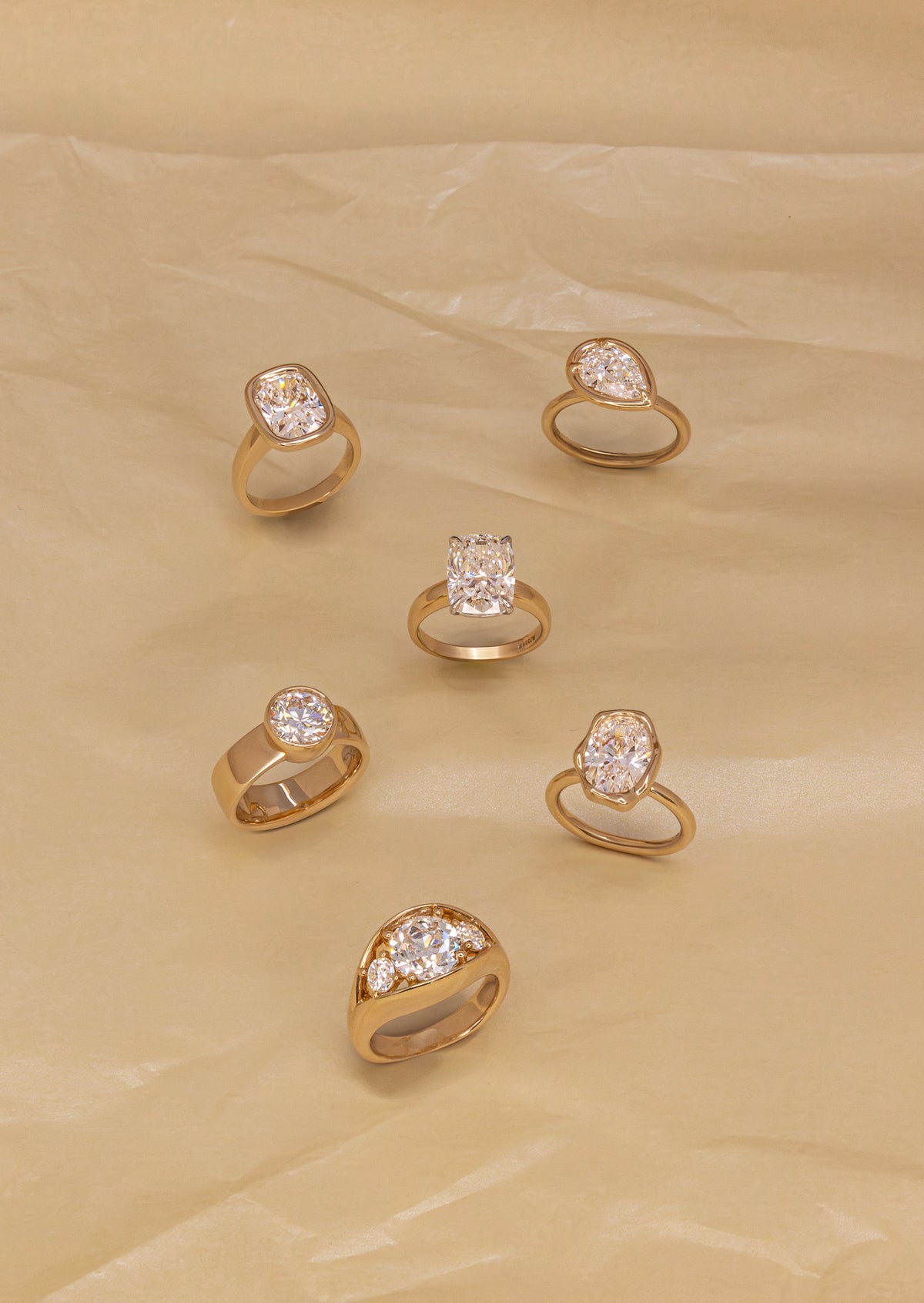
Lab-Created Diamond
Real diamonds, grown differently.
Lab-created diamonds are real diamonds—chemically, physically, and optically identical to mined stones. Instead of forming underground over millions of years, they’re grown in a controlled environment. The result is the same brilliance, hardness, and durability you’d expect from a diamond, just created through a more precise process.
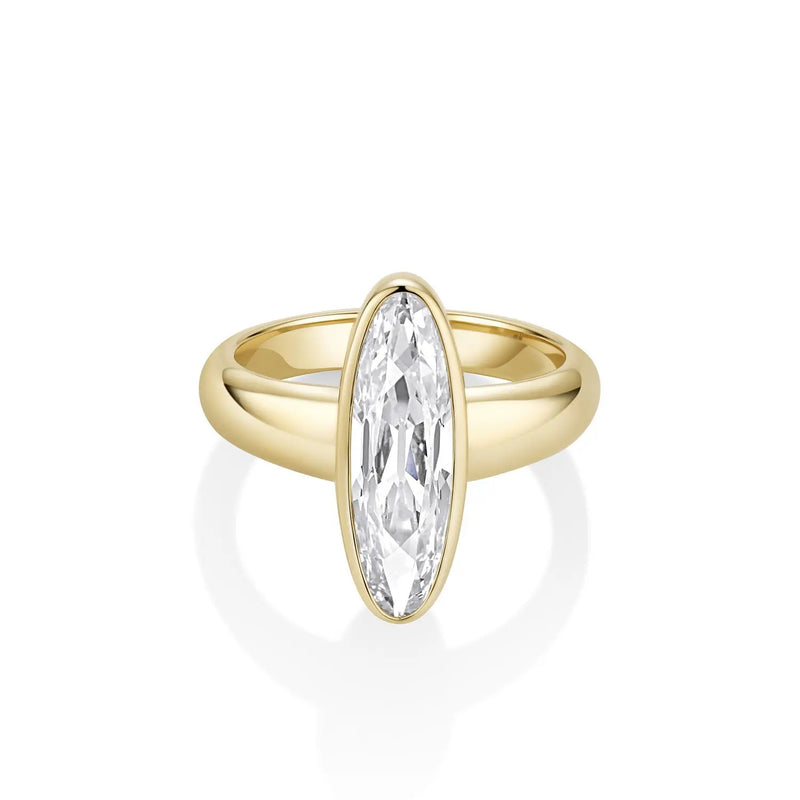
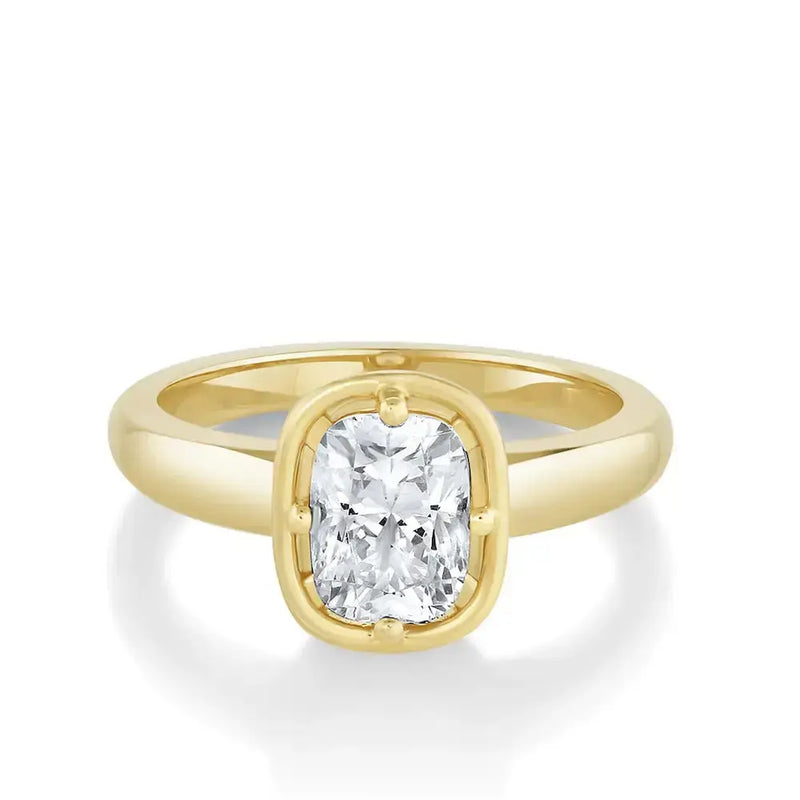
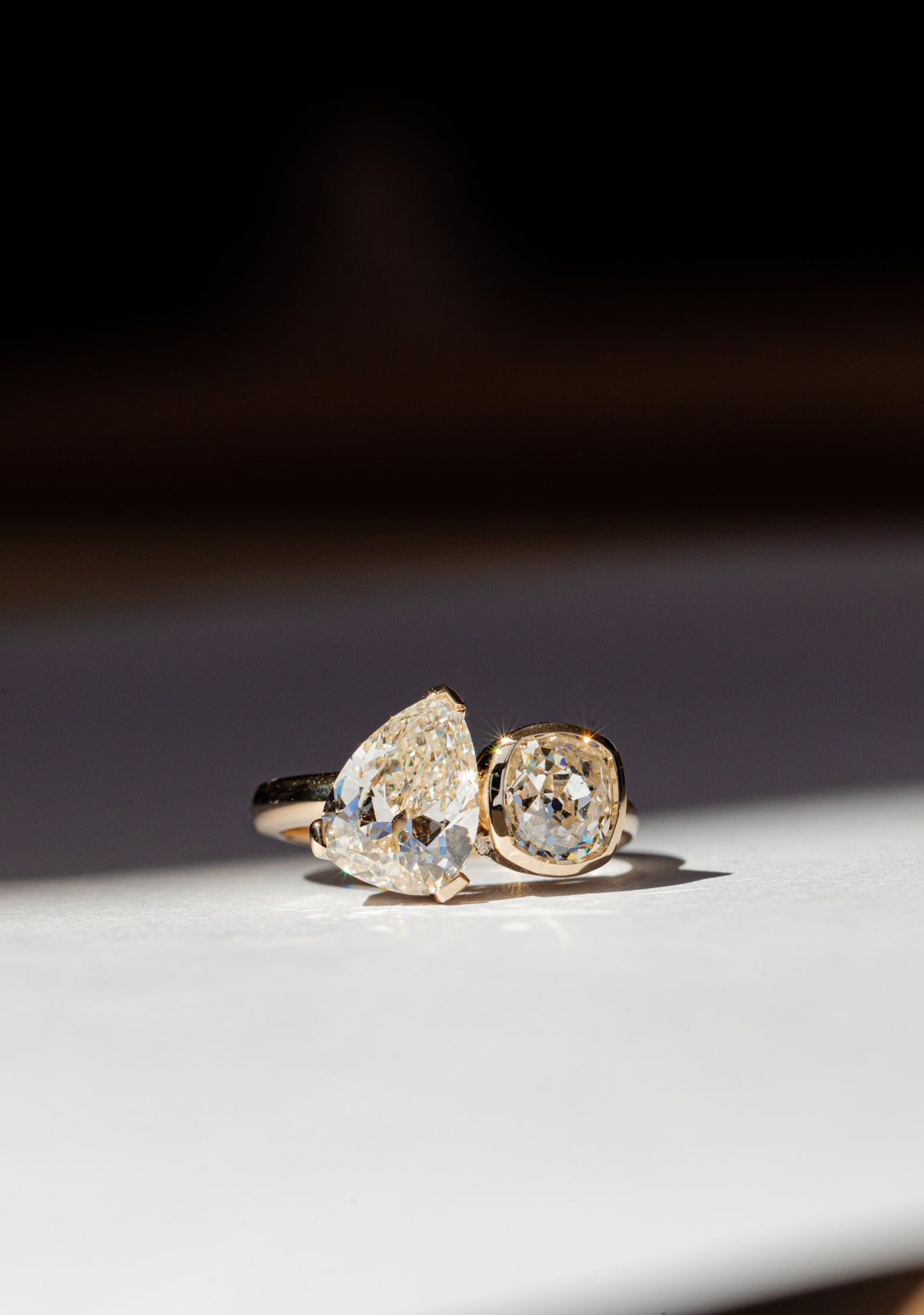
Antique diamond
Diamonds with history.
Jillian, our Founder and Designer, has a deep passion for antique diamonds, each intentionally sourced from estate collections and heirlooms. Hand-cut over a century ago, these stones were made to catch the glow of candlelight, with a warmth and character modern cuts can’t replicate. No two are alike, each carrying its own distinct history. Beyond their rarity, antique diamonds are also among the most sustainable.
Product name
Spec line · metal
$0,000
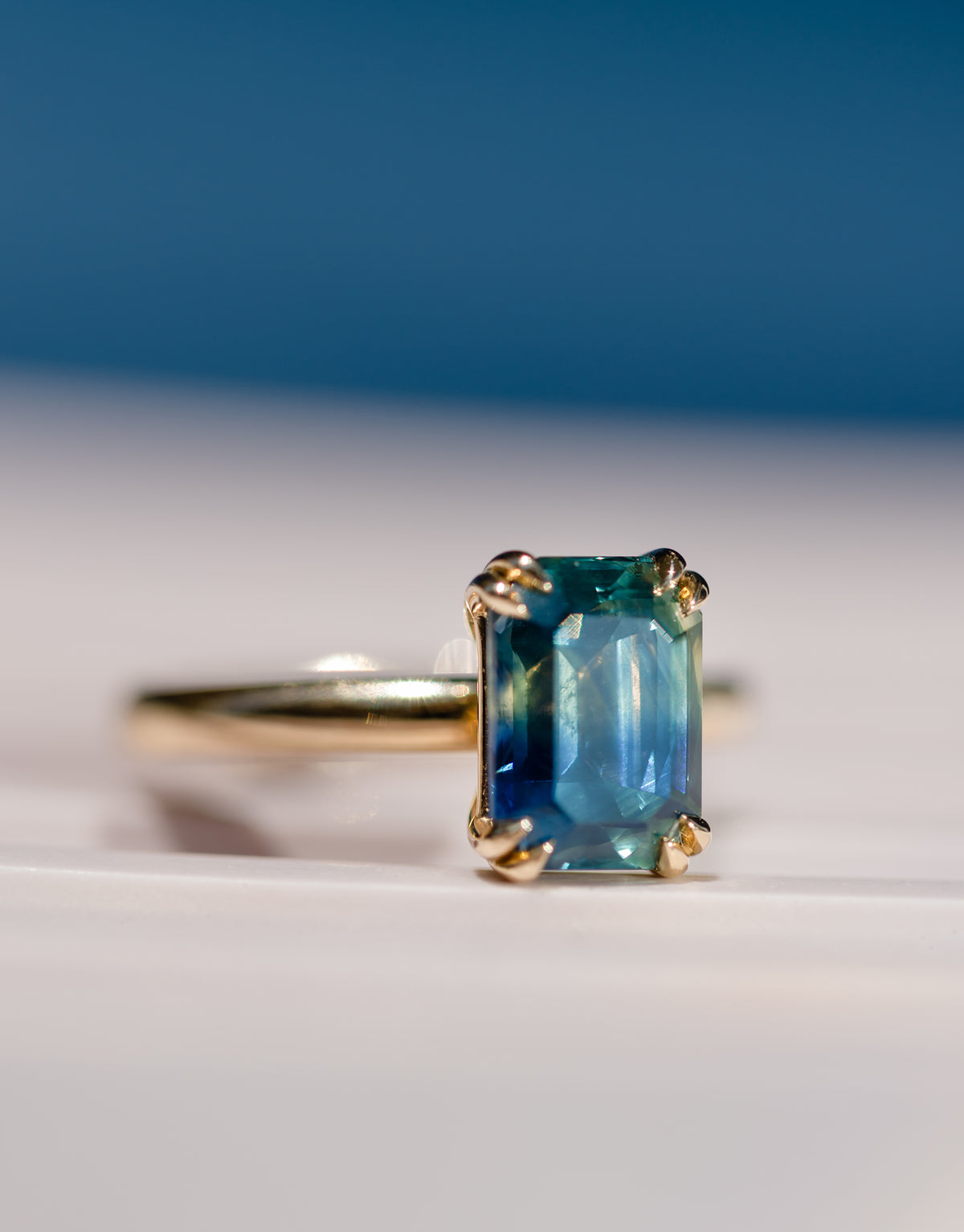
COLORED GEMSTONES
Forever, in color.
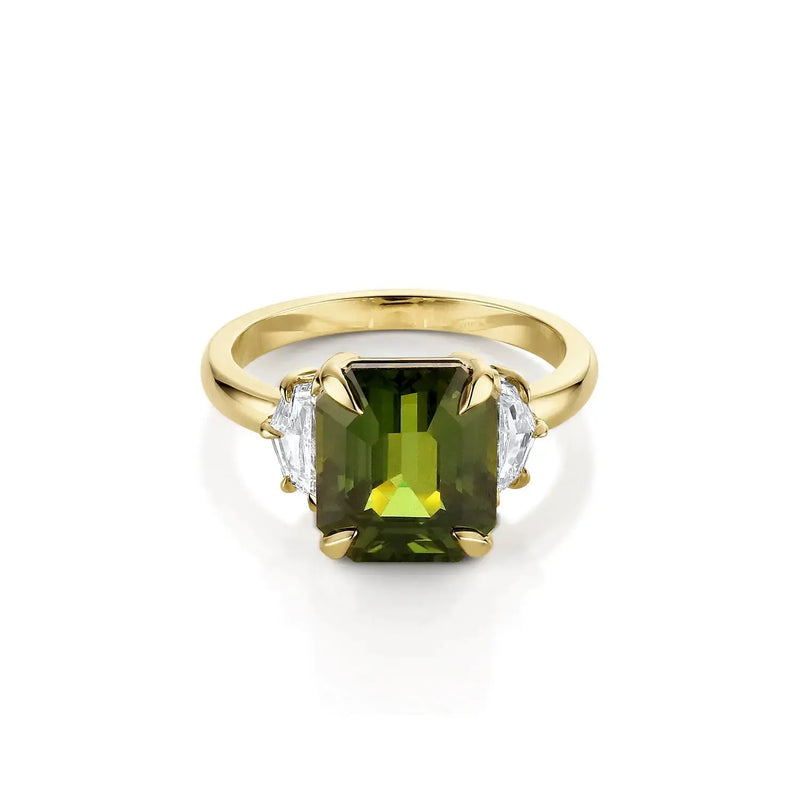
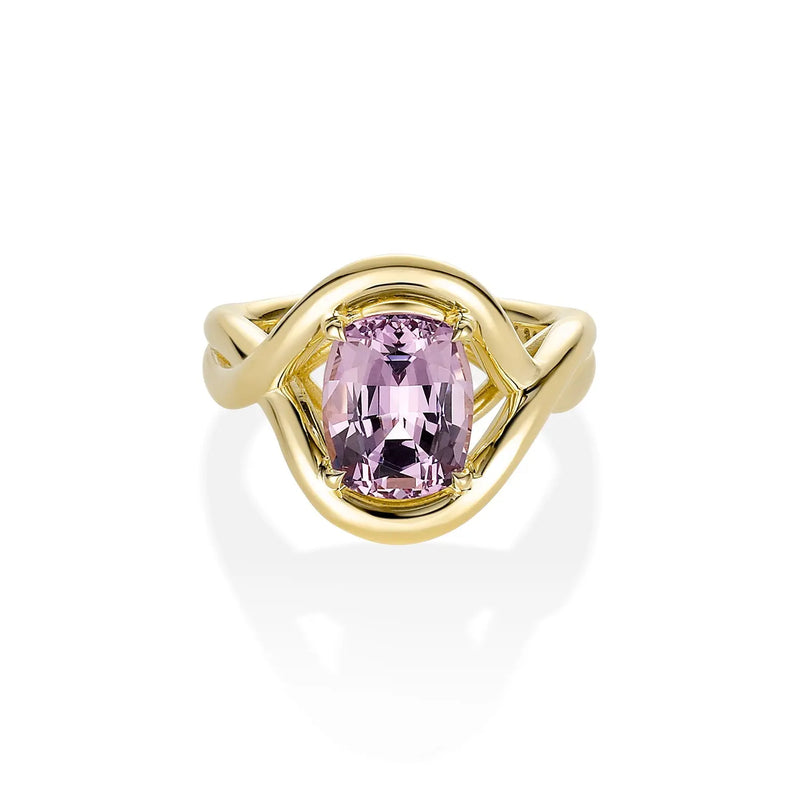
Sapphires, emeralds, rubies, spinels—and beyond. For brides who lean less traditional—colored gemstones that feel timeless, personal, and quietly unexpected. Each stone is hand-sourced from around the world, chosen for its character, depth, and natural beauty.
Product name
Spec line · metal
$0,000
Understanding the 4 Cs
The diamond guide.
Choosing a diamond can feel intimidating, but it starts with understanding what makes each stone unique. Every diamond is graded across four characteristics— cut, color, clarity, and carat. Together, they shape both its value and its personality. Here's everything you need to know.
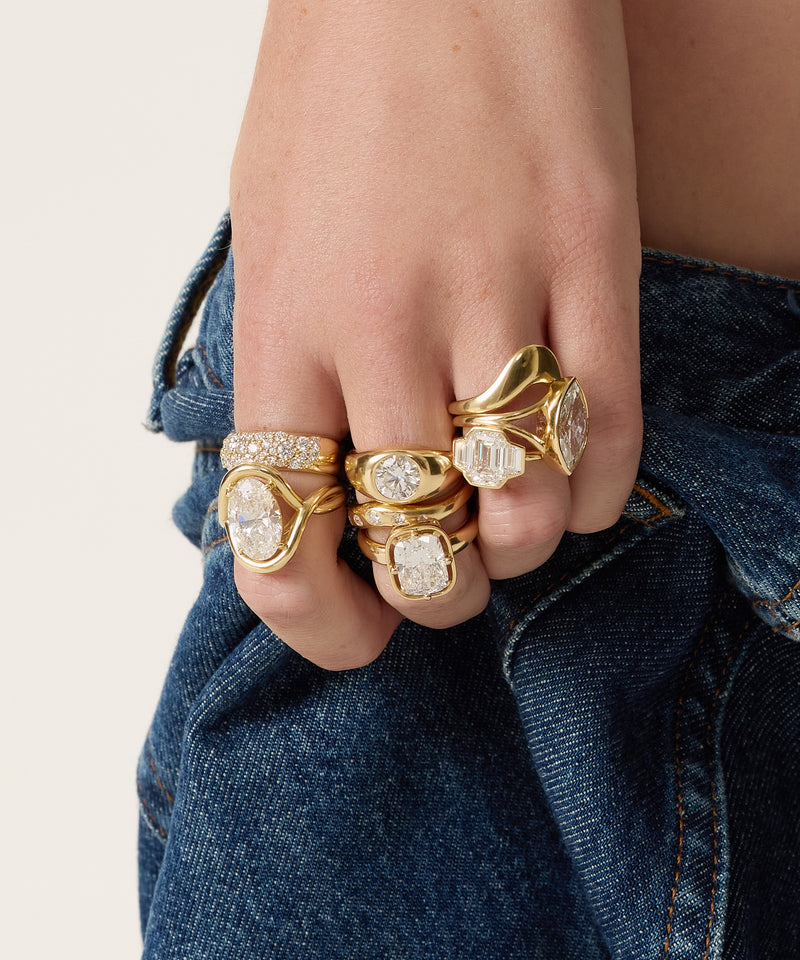
Cut — the only C shaped by human hands.
Cut refers to a diamond's proportions and symmetry, and it's the one characteristic not left to nature. It determines how a stone interacts with light — how it sparkles, how it glows, how it comes alive on your hand.
A well-cut diamond, graded Excellent or Very Good, reflects light beautifully. Cuts are evaluated on brilliance (the light reflected back), fire (the dispersion of color), and scintillation (the play of light and dark as the stone moves). A small tip: choosing a stone with a balanced length-to-width ratio can make your diamond appear larger.
Round brilliants are typically the most expensive — their precise faceting maximizes sparkle, and more of the rough stone is cut away in the process. Emerald cuts tend to be the most affordable, with step-like facets that create a "hall of mirrors" effect rather than traditional brilliance.
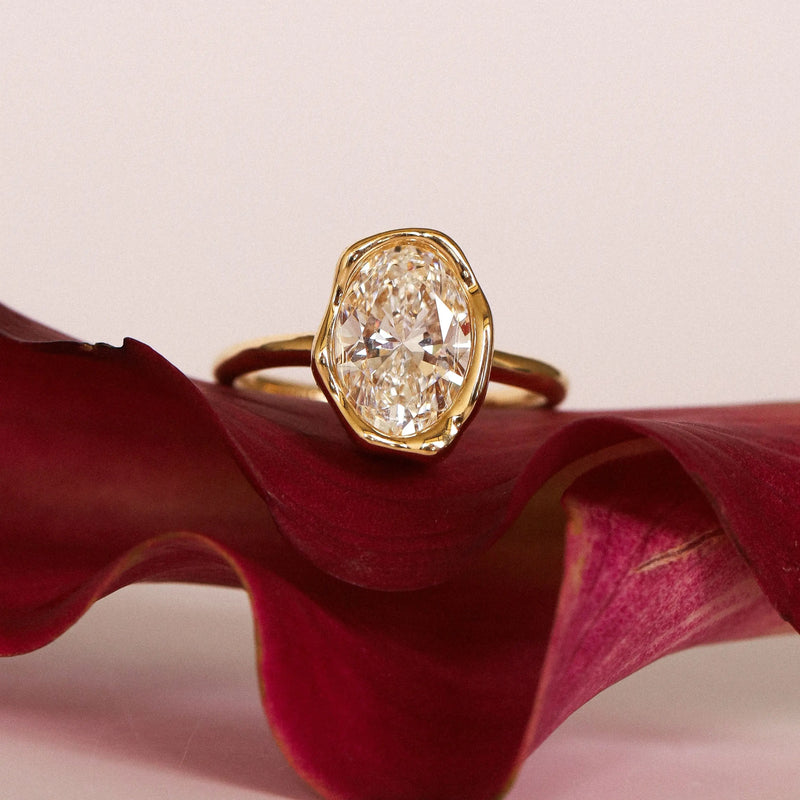
Color — graded D to Z.
Diamond color is measured on a scale from D (completely colorless) to Z (light yellow or brown). The closer to D, the rarer the stone — and typically, the higher the value.
Colorless diamonds (D–F) are the most sought-after, with traces of color only detectable by an expert gemologist. Near-colorless stones (G–J) offer beautiful quality at better value, with color that's nearly imperceptible to the eye. Beyond that, faint to light grades (K–Z) carry visible warmth — softer, more characterful.
And then there are fancy colors — blues, pinks, yellows, greens, even reds — graded on their own scale and prized for their rarity.
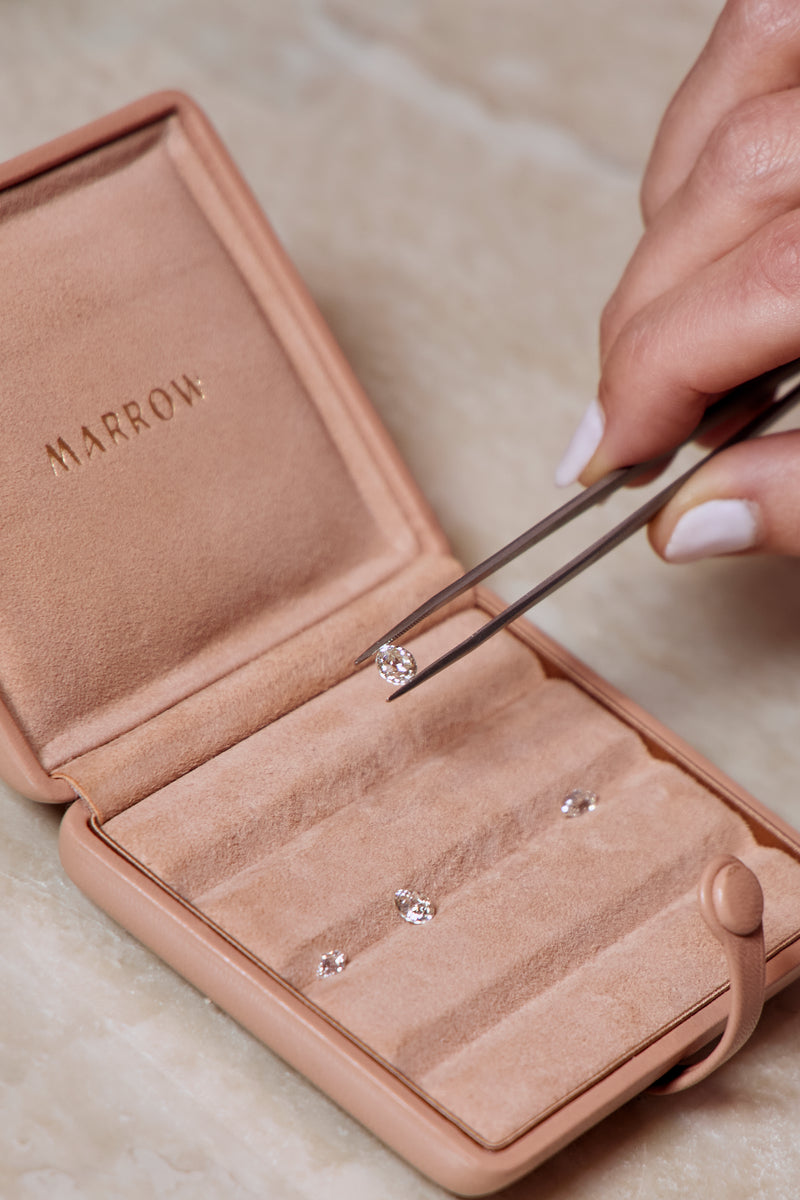
Clarity — the fingerprint of the stone.
Every diamond carries the marks of how it was made: inclusions inside the stone and blemishes on the surface. Clarity measures how visible those are under 10x magnification, using a scale developed by the GIA.
It ranges from Flawless (no inclusions or blemishes at all) to Included (inclusions visible to the naked eye), with several grades in between — Internally Flawless, VVS, VS, and SI. Location matters, too: inclusions near the edge of a stone are far less noticeable than those in the center.
Higher clarity correlates with higher value, but a diamond doesn't have to be flawless to look flawless on your hand.
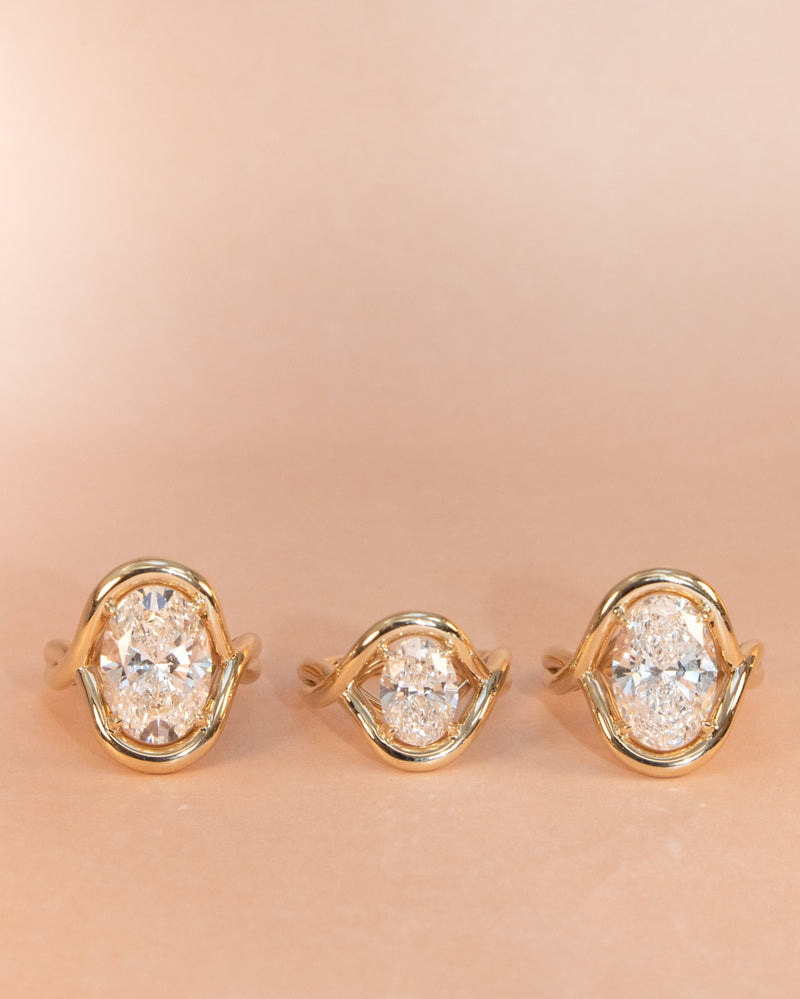
Carat — the weight, not the size.
Carat measures a diamond's weight — not its size, contrary to popular belief. Two stones of the same carat can look noticeably different depending on shape, cut, and setting.
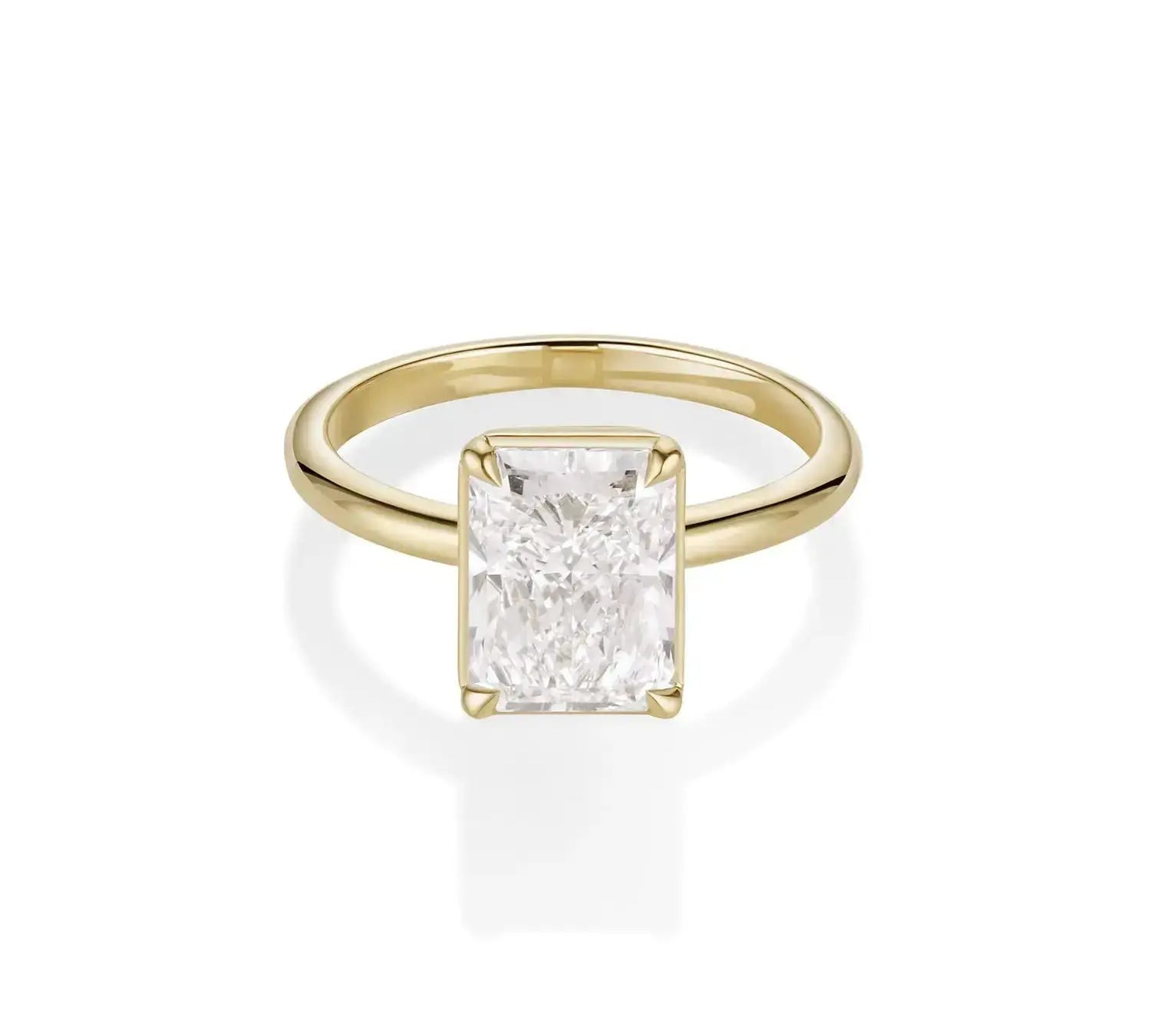
Elongated cuts like ovals and marquise tend to wear larger than their weight suggests. Poorly cut stones can look smaller. Generally, the higher the carat, the higher the price — but the right diamond is the one that sits beautifully on your hand, not the one with the biggest number on paper.